Hey there! I’m a supplier of laser – cut metal parts, and I’ve been in this game for quite a while. Laser – cut metal parts are super versatile, and they’ve found their way into a ton of different applications. Let’s dive into some of the most common ones. Laser Cutting Parts
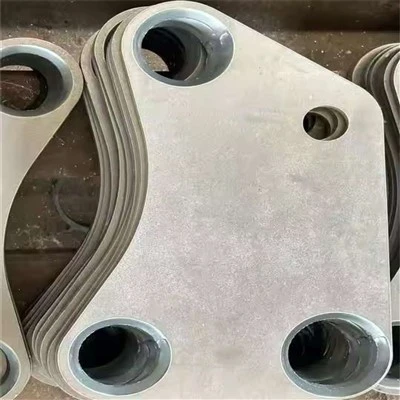
Automotive Industry
The automotive world just loves laser – cut metal parts. For starters, in car bodies, precision is key. Laser cutting can produce parts with incredibly accurate dimensions. Take engine components, for example. The pistons, cylinder heads, and connecting rods often require parts that are precisely cut to ensure optimal engine performance. One wrong cut, and you could have all sorts of problems like misalignment and reduced power output.
Laser – cut brackets are also a big deal in cars. They’re used to hold various components in place, like the radiator, air conditioning unit, and exhaust system. These brackets need to be strong and fit exactly where they’re supposed to. Laser cutting allows for complex shapes to be made easily. So, automakers can design brackets that are both lightweight and strong, which helps with fuel efficiency.
In safety features, laser – cut metal parts play a crucial role too. Seatbelt components and airbag housings are cut with high precision. That precision ensures that these safety features work as intended when an accident occurs. And with the trend towards electric vehicles, laser – cut metal parts are used in battery enclosures. These enclosures need to protect the batteries from external impacts and heat, and laser cutting can create the right shapes and sizes for maximum protection.
Aerospace Industry
When it comes to aerospace, there’s no room for error. Laser – cut metal parts are used in nearly every aspect of aircraft construction. In the fuselage, laser – cut panels are fitted together to make up the exterior of the plane. The precision of laser cutting means that the panels fit perfectly, reducing drag and increasing fuel efficiency.
Engine parts in aerospace are another area where laser – cut metal shines. Turbine blades, for instance, need to be made with extreme accuracy. These blades spin at incredibly high speeds, and even the slightest defect can lead to catastrophic engine failure. Laser cutting can create the complex aerodynamic shapes required for these turbine blades while maintaining the high strength of the metal.
In space exploration, the same high – precision laser – cut parts are used. Spacecraft need to be as lightweight as possible while still being strong enough to withstand the harsh conditions of space. Laser – cut aluminum and titanium parts are used in the frames and structural components of satellites and rockets. These parts are designed to be highly durable and have specific thermal and electrical properties.
Electronics Industry
The electronics industry is all about miniaturization, and laser – cut metal parts are perfect for this. Printed circuit boards (PCBs) often use laser – cut metal pads and connectors. These parts need to be small and highly conductive. Laser cutting allows for the creation of tiny, accurate connections that ensure the smooth flow of electricity through the PCB.
In smartphones and tablets, laser – cut metal frames provide structural support. They’re also used in the antenna components. The antenna needs to be precisely cut to operate at the right frequencies. Laser cutting can create the fine patterns and shapes required for optimal antenna performance.
For larger electronic equipment like servers and industrial control systems, laser – cut metal enclosures are used. These enclosures protect the sensitive electronic components from dust, moisture, and electromagnetic interference. They can be designed with ventilation holes and access ports that are precisely cut to ensure proper airflow and easy maintenance.
Construction Industry
In construction, laser – cut metal parts are used for both structural and decorative purposes. Structural steel beams and columns can be laser – cut to the exact lengths and shapes required for a building. This precision reduces waste and speeds up the construction process. For example, in high – rise buildings, the steel frames are made up of laser – cut components that fit together like a giant puzzle.
Decorative elements are also a big application. Laser – cut metal panels can be used on the exterior of buildings to create unique and eye – catching facades. These panels can have intricate designs, from geometric patterns to floral motifs. Inside buildings, laser – cut metal partitions and railings are popular. They add a modern and stylish touch while still being strong and durable.
Medical Industry
The medical field has some of the strictest requirements for precision, and laser – cut metal parts meet those needs. Surgical instruments are often made from laser – cut stainless steel. Scalpels, forceps, and scissors need to be extremely sharp and have precise edges. Laser cutting ensures that these instruments are made to the highest standards.
In medical devices like MRI machines and X – ray equipment, laser – cut metal parts are used in the shielding and structural components. These parts need to be made with high – quality metals to protect patients and operators from radiation. They also need to be precisely cut to fit into the complex machinery.
Implants, such as hip and knee replacements, are another area where laser – cut metal parts are used. Titanium is a popular material for these implants because it’s biocompatible. Laser cutting can create the detailed shapes and porous structures required for the implants to integrate with the patient’s body.
Furniture Industry
Furniture designers are increasingly turning to laser – cut metal parts to add a modern and industrial look to their pieces. Metal frames for chairs and tables can be laser – cut to create unique and stylish designs. These frames can be made from materials like steel or aluminum, which are strong and lightweight.
Decorative elements on furniture, such as handles and accents, can also be laser – cut. They can have intricate patterns that add a touch of elegance to the furniture. And for modular furniture systems, laser – cut metal connectors are used to hold the different pieces together. These connectors need to be precisely cut to ensure a tight fit and easy assembly.
Jewelry Industry
In the jewelry world, laser – cut metal parts are used to create intricate and detailed designs. Gold, silver, and platinum can be cut with lasers to make unique pendants, earrings, and rings. Laser cutting allows for the creation of fine details, such as filigree patterns and micro – engravings, that would be difficult or impossible to achieve with traditional cutting methods.
Jewelry clasps and findings are also often laser – cut. These parts need to be small, strong, and precise. Laser cutting ensures that they fit together perfectly and function as intended.
Energy Industry
In the energy sector, laser – cut metal parts are used in power generation and distribution. In wind turbines, for example, laser – cut gearbox components and blade connectors are crucial. These parts need to be highly durable and able to withstand the high stresses of wind turbine operation.
In solar panels, laser – cut metal frames and mounting brackets are used. These parts need to be corrosion – resistant and have the right dimensions to hold the solar panels in place. They also need to be designed to allow for proper ventilation and sunlight exposure.
Military Industry
The military has some of the most demanding requirements for metal parts, and laser – cut components are up to the task. Weapons systems use laser – cut parts in everything from gun barrels to missile guidance systems. The precision of laser cutting ensures that these parts function accurately and reliably in combat situations.
Military vehicles and aircraft also rely on laser – cut metal parts. Armored plates, for example, need to be precisely cut to fit the specific design of the vehicle. They also need to be strong enough to withstand ballistic impacts.

As you can see, laser – cut metal parts have a wide range of applications across many industries. Whether it’s the high – precision needs of aerospace or the decorative touch in furniture, laser – cut metal parts are an essential part of modern manufacturing.
Laser Cutting Parts If you’re in need of high – quality laser – cut metal parts for your business, I’d love to have a chat. We’ve got the experience and expertise to meet your specific requirements. Contact me to start a conversation about your procurement needs.
References
- Groover, M. P. (2010). Fundamentals of Modern Manufacturing: Materials, Processes, and Systems. John Wiley & Sons.
- Jacobs, S. D., et al. (2014). Principles of Laser Materials Processing. CRC Press.
Liaocheng Shengkjia Machinery Accessories Co., Ltd.
As one of the most professional laser cutting parts manufacturers and suppliers in China, we offer a wide range of products with superior quality. With abundant experience, we warmly welcome you to buy advanced laser cutting parts at low price from our factory. For more cheap products, contact us now.
Address: No 8 Liaohe Road, Liaocheng City, Shandong Province, China
E-mail: Lcshshenghuaiwei@aliyun.com
WebSite: https://www.shengjia-steel.com/
