Gas cylinders are essential in various industries, from welding and metal fabrication to scientific research and healthcare. At the heart of a gas cylinder’s functionality is the regulator, a device that controls the flow and pressure of gas as it exits the cylinder. There are two primary types of regulators: single-stage and multi-stage. As a long-time supplier of gas cylinder components, I’ve seen firsthand the differences between these two types and understand how crucial it is for users to choose the right one for their needs. In this blog post, I’ll delve into the characteristics, advantages, and limitations of single-stage and multi-stage regulators to help you make an informed decision. Gas Cylinder Components

Single – Stage Regulators
Single-stage regulators are the most basic type of gas regulators. They work by reducing the high pressure of the gas inside the cylinder to a usable, lower pressure in a single step. A single diaphragm or piston mechanism is used to control the flow of gas through an adjustable valve. When the pressure in the outlet side drops, the diaphragm or piston moves, opening the valve to allow more gas to flow. Conversely, when the outlet pressure rises, the valve closes to restrict the flow.
One of the main advantages of single-stage regulators is their simplicity. They have fewer components compared to multi-stage regulators, which makes them less expensive to manufacture and purchase. This cost-effectiveness makes them a popular choice for applications where precision is not critical and the gas demand is relatively constant. For example, in small-scale DIY welding projects or home brewing setups, a single-stage regulator can provide adequate pressure control at a reasonable price.
Another benefit of single-stage regulators is their compact size. Their simple design allows them to be more lightweight and portable, making them ideal for fieldwork or applications where space is limited. For instance, a mobile welding technician might prefer a single-stage regulator because it can be easily carried from one job site to another.
However, single-stage regulators also have some limitations. The most significant drawback is their sensitivity to changes in the inlet pressure of the gas cylinder. As the gas in the cylinder is used up, the pressure inside the cylinder decreases. This change in inlet pressure can cause fluctuations in the outlet pressure, especially if the regulator is set to a relatively low output pressure. These pressure fluctuations can be problematic in applications that require a stable and consistent gas flow, such as in laboratory experiments or high – precision welding.
In addition, single-stage regulators are not well – suited for applications with high flow rates. When a large volume of gas is required, the single – stage regulator may not be able to maintain a stable output pressure, leading to inconsistent performance.
Multi – Stage Regulators
Multi-stage regulators, as the name suggests, reduce the high pressure of the gas in the cylinder to a usable pressure in multiple steps. Typically, a two – stage regulator is the most common type, although there can be regulators with more than two stages for specific applications. In a two – stage regulator, the first stage reduces the high pressure from the cylinder to an intermediate pressure, and the second stage further reduces this intermediate pressure to the final output pressure.
The primary advantage of multi-stage regulators is their ability to provide a more stable and consistent output pressure. Since the pressure is reduced in multiple steps, the regulator is less affected by changes in the inlet pressure of the gas cylinder. Even as the gas in the cylinder is depleted and the inlet pressure decreases, the multi – stage regulator can maintain a relatively constant output pressure. This makes multi – stage regulators ideal for applications that require high precision and stability, such as in medical gas delivery systems, semiconductor manufacturing, and gas chromatography.
Multi – stage regulators also perform better at high flow rates. The multiple stages allow the regulator to handle large volumes of gas more effectively, ensuring a steady flow of gas even under high demand. This makes them suitable for industrial applications where a continuous and reliable supply of gas is essential, such as in large – scale welding operations or chemical processing plants.
However, multi – stage regulators come with some drawbacks as well. Their more complex design means they are more expensive to manufacture and purchase compared to single – stage regulators. The additional components also make them more prone to mechanical failures, and maintenance can be more challenging and costly. Moreover, multi – stage regulators are generally larger and heavier than single – stage regulators, which can be a disadvantage in applications where portability is a key requirement.
Choosing the Right Regulator
When deciding between a single – stage and a multi – stage regulator, several factors should be considered. The first is the nature of the application. If precision and stability are crucial, such as in scientific research or medical applications, a multi – stage regulator is the better choice. On the other hand, if cost and portability are the main concerns and the application does not require high precision, a single – stage regulator may be sufficient.
The flow rate requirements of the application also play a significant role. High – flow applications, such as industrial welding or large – scale gas distribution, are better served by multi – stage regulators. For low – flow applications, like inflating small balloons or operating a small – scale burner, a single – stage regulator can handle the task effectively.
In addition, the expected duration of gas use and the size of the gas cylinder should be taken into account. If the gas cylinder is small and will be depleted quickly, pressure fluctuations may not be as much of an issue, and a single – stage regulator may be adequate. However, for large cylinders that will be used over an extended period, a multi – stage regulator can provide a more consistent output pressure as the cylinder pressure decreases.
Conclusion
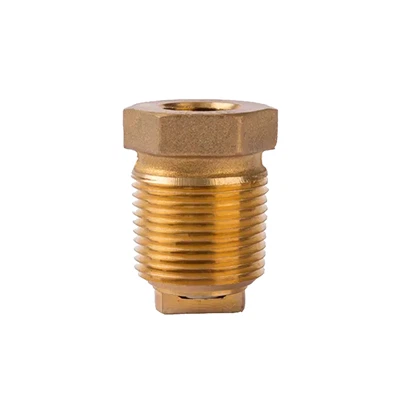
In summary, single – stage and multi – stage regulators each have their own unique characteristics, advantages, and limitations. As a supplier of gas cylinder components, I understand that every customer’s needs are different. Whether you are a hobbyist looking for an affordable and portable regulator for your DIY project or an industrial manufacturer in need of a high – precision and reliable regulator, choosing the right type is crucial for the success of your application.
Gas Cylinder Stove And Accessory If you are unsure which type of regulator is best for your specific needs, I encourage you to reach out to our team. We have extensive experience in the gas cylinder component industry and can provide you with expert advice and guidance. We offer a wide range of high – quality single – stage and multi – stage regulators, as well as other gas cylinder components, to meet the diverse needs of our customers. Don’t hesitate to contact us for a detailed discussion and to explore our product offerings. We look forward to working with you to find the perfect regulatory solution for your gas cylinder applications.
References
- Harper, John. "Gas Regulators: Principles and Applications." Industrial Gas Handbook, 2019.
- Smith, Robert. "Understanding Gas Pressure Regulation." Welding Journal, 2017.
- Johnson, Emily. "Medical Gas Delivery Systems: The Role of Regulators." Healthcare Technology Review, 2021.
Shanghai Luzhen SCM Co., Ltd.
As one of the most professional gas cylinder components manufacturers and suppliers in China, we’re featured by quality products and good price. Please rest assured to buy bulk discount gas cylinder components from our factory. We also accept customized orders.
Address:
E-mail: bao@lu-chain.com
WebSite: https://www.lu-chain.com/
