Hey there! As a supplier of medical bandages, I often get asked this question: Can medical bandages be used on open wounds? Well, let’s dive right into it and break things down in a way that’s easy to understand. Medical Bandages
First off, what exactly is an open wound? An open wound is basically a break in the skin. It can range from a small scrape or cut to a more serious gash or laceration. And when it comes to treating these open wounds, medical bandages can play a super important role.
One of the main reasons we use medical bandages on open wounds is to stop the bleeding. When you get a cut, your body’s natural response is to start clotting the blood to seal the wound. But sometimes, the bleeding can be a bit too much, and that’s where a good bandage comes in. A bandage applies pressure to the wound, helping to slow down the blood flow and encourage clotting. For example, if you accidentally cut your finger while chopping vegetables in the kitchen, slapping on a bandage right away can help stop the blood from gushing out.
Another big benefit is protection. Once the bleeding has stopped, the open wound is vulnerable to all sorts of bad stuff. Bacteria, dirt, and other debris can easily get into the wound and cause an infection. A medical bandage acts like a shield, keeping these unwanted invaders out. It creates a physical barrier between the wound and the outside world. Think of it as a little fortress for your wound!
Now, not all medical bandages are created equal, especially when it comes to open wounds. There are different types, and each has its own pros and cons.
Let’s start with adhesive bandages, the ones you probably have in your first – aid kit at home. These are great for small, shallow cuts and scrapes. They’re easy to use, and you can just stick them right on the wound. They come in different sizes and shapes, so you can find one that fits your wound perfectly. But they might not be the best choice for larger or deeper wounds. The adhesive can sometimes irritate the skin around the wound, especially if you have sensitive skin. And if the wound is oozing a lot of fluid, the bandage might not stay on properly.
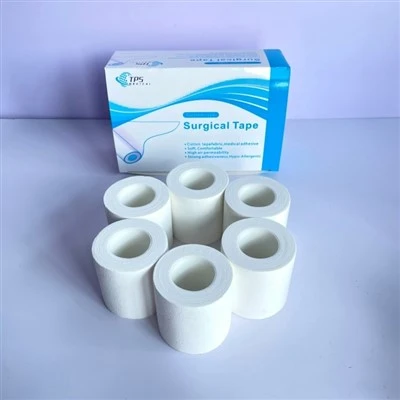
Gauze bandages are another option. They’re more flexible and can be used on a variety of wounds, including larger and deeper ones. You can wrap them around the wound to apply pressure, and they’re absorbent, which means they can soak up any blood or other fluids from the wound. However, they need to be secured properly, usually with tape or a bandage clip. If not secured well, they can come loose, and that defeats the purpose of protecting the wound.
Then there are hydrocolloid bandages. These are a bit more high – tech. They’re designed to create a moist environment around the wound, which can actually speed up the healing process. They’re great for minor burns and blisters, as well as small cuts. They stick well to the skin and can stay on for a few days, which is convenient. But they can be a bit more expensive than other types of bandages.
When using medical bandages on open wounds, there are some important steps to follow. First, you need to clean the wound. You can use mild soap and water to gently wash the area around the wound. This helps remove any dirt or bacteria that might be on the skin. Then, pat the area dry with a clean towel. You don’t want to rub the wound, as that can cause more damage.
Next, choose the right bandage for the wound. As I mentioned earlier, consider the size, depth, and type of the wound. If you’re not sure, it’s always a good idea to consult a healthcare professional.
Once you’ve got the right bandage, apply it carefully. Make sure it covers the entire wound and is not too tight or too loose. If it’s too tight, it can cut off the blood circulation, which is not good. If it’s too loose, it won’t provide the necessary protection.
You also need to change the bandage regularly. How often you change it depends on the wound. For small, clean cuts, you might only need to change it once a day. But for larger or more serious wounds, you might need to change it more often, like every few hours. And always check the wound for signs of infection, such as redness, swelling, pain, or pus. If you notice any of these signs, it’s time to see a doctor.
Now, I know some people might be worried about using medical bandages on open wounds because they think it might trap bacteria inside. But that’s not really the case if you follow the right procedures. As long as you clean the wound properly, choose the right bandage, and change it regularly, the bandage is more likely to help prevent infection rather than cause it.
So, to answer the question, yes, medical bandages can definitely be used on open wounds. They’re an essential part of wound care, helping to stop bleeding, protect the wound, and promote healing.
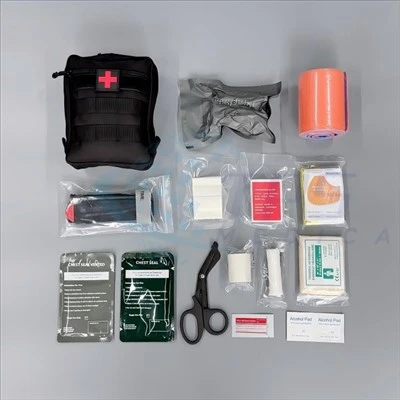
If you’re in the market for high – quality medical bandages, whether you’re a healthcare provider, a first – aid kit supplier, or just someone who wants to be prepared for minor injuries at home, I’d love to talk to you. We’ve got a wide range of medical bandages to suit different needs and budgets. Whether you need adhesive bandages for small cuts, gauze bandages for more serious wounds, or hydrocolloid bandages for special cases, we’ve got you covered.
Don’t hesitate to reach out to me for more information or to start a conversation about your bandage needs. I’m here to help you find the best solutions for wound care.
Cotton and Gauze References
- "First Aid Manual" – American Red Cross
- "Wound Care Basics" – Mayo Clinic Publications
Hangzhou Tuopusi Medical Products Co., Ltd.
As one of the most professional medical bandages manufacturers and suppliers in China, we offer a wide range of products with superior quality. Please feel free to wholesale bulk customized medical bandages at competitive price from our factory. Also, free sample is available.
Address:
E-mail: sales@tpsmedic.com
WebSite: https://www.medressing.com/
